Newsletter Subscribe
Enter your email address below and subscribe to our newsletter


 ByJohn A
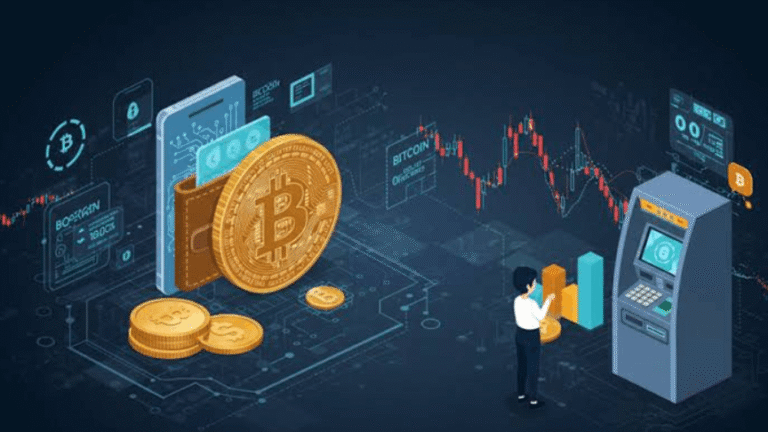
A cryptocurrency network fee is the price paid to motivate miners or validators to process a transaction and secure the network. Fees reflect resource use, security, and ongoing incentives, but they vary with congestion and policy. Different blockchains implement different pricing mechanics, sometimes opaque or market-driven. The result can be transparent data or hidden costs, with potential misalignment between user costs and network value. The question remains: how should users interpret and manage these charges as the system evolves?
A cryptocurrency network fee is the small charge paid to compensate miners or validators for processing a transaction and securing the network. The fee exists to align incentives with resource use and security, but concerns arise about misleading fee structures and opaque billing. Agile, auditable processes—like cross chain auditing—can promote transparency, accountability, and freedom from hidden costs.
How are fees determined across different blockchains? Fees vary by design: network congestion, block size, and fee markets shape costs. Some systems use fixed minimums; others deploy dynamic, auction-like mechanisms. Cryptography governance and tokenomics incentives influence fee levels and updates, affecting security assumptions and throughput. Transparency varies, risking user manipulation and misaligned priorities between validators, developers, and end users seeking freedom.
Practical fee management hinges on aligning user needs with network incentives without compromising throughput. The piece analyzes practical techniques that preserve speed while controlling costs, emphasizing predictable patterns and real-time adjustments.
It examines blockchain incentives and miner economics, highlighting how fee models influence behavior without sacrificing confirmation times. A critical view underscores transparency, data-driven tuning, and safeguards against fee volatility and gaming.
Common pitfalls in cryptocurrency fees often stem from misaligned expectations and static assumptions about network conditions. Users may chase peak speeds or lowest costs, ignoring volatility and congestion. High frequency trading incentives can distort timing and fees, while tax implications prompt inconsistent reporting. A disciplined approach emphasizes transparent fee models, predictable batching, and proactive monitoring to avoid overpaying without sacrificing reliability. Freedom thrives on informed choices.
Network fees can influence transaction speed differently across chains, as networks experience congestion. In such cases, faster confirmation may require higher fees, while fee forecasting helps users anticipate delays and costs, guiding timing decisions amid network congestion.
Automatic optimization is possible: wallets can adjust fees on behalf of users, applying dynamic recommendations and network conditions. However, wallet recommendations should be scrutinized for reliability and privacy, ensuring autonomy remains intact while balancing cost, speed, and security.
The answer: Yes, hidden costs can exist beyond standard network fees, including miner tips or exchange-associated charges. Fee transparency varies; users seek clarity on all charges, demanding straightforward disclosures before proceeding, to preserve financial freedom and informed decision-making.
The juxtaposition shows tiny coins vs. towering costs; microtransactions fees constrain willingness to pay and stifle novelty, while small transfers impact liquidity and speed. Overall, fees shape behavior, balancing usefulness against friction in network economics.
Fee dynamics influence long term valuation by shaping user behavior, durability of demand, and network activity. The detached analysis notes that oscillating costs can deter participation or incentivize retention, thereby affecting circulation patterns and perceived scarcity in the long run.
See also: Artificial Intelligence in Business Intelligence Platforms
In the end, the fee is more than a price tag—it’s a signal of scarce capacity and security. As networks grow noisier, fees reflect demand, congestion, and the cost of mining or validating blocks. Yet the numbers remain elusive to many users, ripe for misunderstanding or manipulation. The true test lies in transparent, auditable practices that reveal how charges are set and spent—before users decide to trust or transact, a risk quietly waiting in the ether.